Quick Guide With Thoughts About Masks, Respirators And Personal Protective Equipment
Last updated:
General PPE Requirements
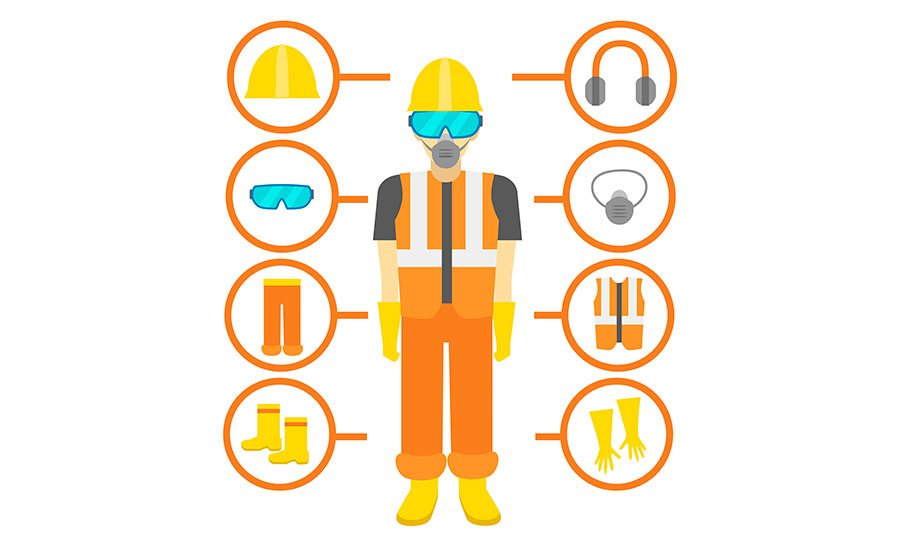
Personal protective equipment (PPE) is worn to minimize exposure to potential hazards, and defend workers from potentially life-changing injuries and illnesses on a daily basis. These injuries and illnesses might potentially result from contact with chemical, radiological, physical, electrical, mechanical, or other workplace or home hazards. Performance of Job Hazard Analyses (JHA) or Job Safety Analyses (JSA) as presented on websites such as JSABuilder.com can help determine the exact characteristics for PPE necessary for conducting any job. We highly recommend performance of JHAs/JSAs before every job. Regardless of where a work activity occurs, if it must be taken on, then reduce the potential risk of injury to the extent possible by using PPE. Fortunately, in the workplace it’s pretty much universally accepted that PPE is needed and required, but after hours when doing chores or work at home, keep the same standards as at work. Accidents at home can be just as debilitating as work injuries. Always use PPE. Standard PPE that may be needed/required at a minimum are as follows:
- Face protection - masks or face shields
- Eye protection - safety glasses
- Ear protection - ear plugs or muffs
- Hand protection - gloves, lots of choices, many to address specific risks
- Full-length trousers
- Long-sleeved shirt
- Hard hat
- Protective boots - steel-toed or equivalent footwear
- High-visibility vest
All PPE used should be acquired from reputable suppliers, properly designed, and fabricated, and must be maintained in a clean and reliable fashion. Also, PPE should always fit workers comfortably, thereby encouraging use and not causing distraction. Depending on the specific work task, PPE requirements may vary a bit, which should be well-defined when risk assessing each task prior to the start of work. If conditions in the field vary from what was anticipated during the preparation of the Job Hazard Analysis, a management of change (MOC) procedure should be followed to make sure any changes are communicated to the field/work team.
During this year’s extensive fire season, we all have come to appreciate the value of protective face masks, but we need to realize that personal protective equipment is so much more and it’s all essential to every work activity everywhere at all times. At home often individuals commonly don’t consider themselves “workers” when conducting maintenance or the like; they are wrong, and they still need to consider the use of PPE. Safety is a 24-hour a day challenge that everybody should focus on.
For this short article however, we believe it is timely to place our focus on face protection to discuss in slightly greater detail. Prior to starting any job, it is important that details be considered for all types of PPE in addition to face protection to aid in selection of proper equipment. For face protection, the commonly available mask and respirator types which can be evaluated for selection are as follows:
Face Protection Types
Bandanas and Single-Layer Neck Gaiters
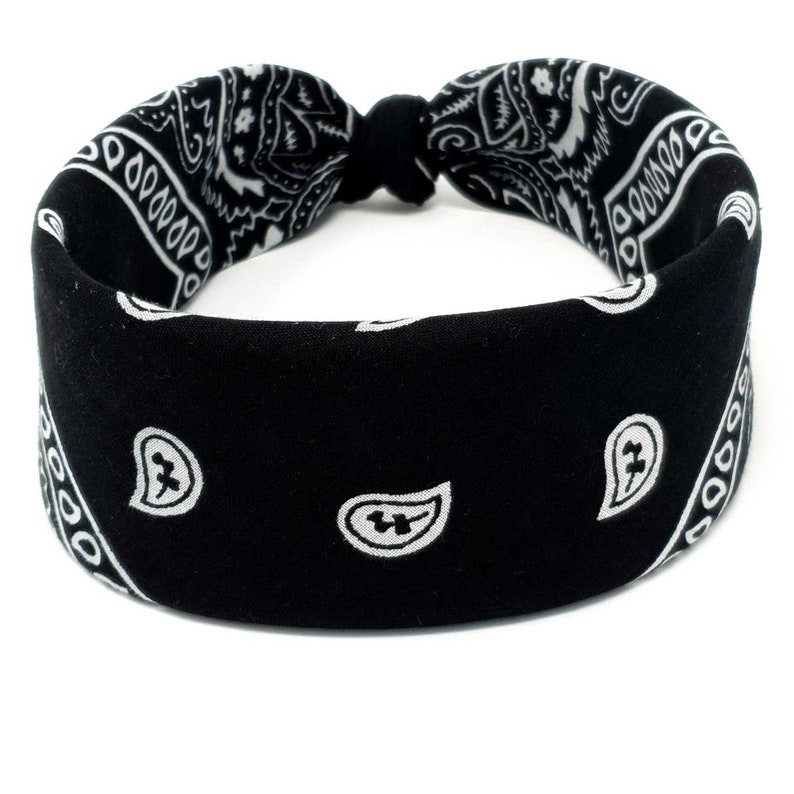
Provide only very limited to no protection for anything beyond providing shade. Unfortunately, these should be classified as more of a fashion statement than anything else. In some situations, if loose-fitting, may present potential snagging risk to wearer.
Two-Layer Homemade Cloth Masks
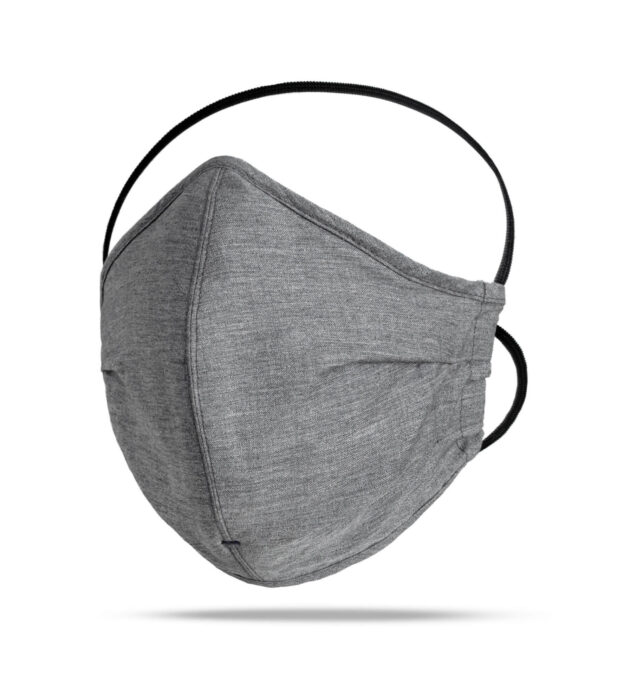
For disease threats, limitedly protects other individuals from you only. Does not protect you from other individuals or provide effective dust (smoke) protection. Should not be used for any work activity other than possibly mobilization to job sites if approved during initial job risk assessment.
Surgical Masks

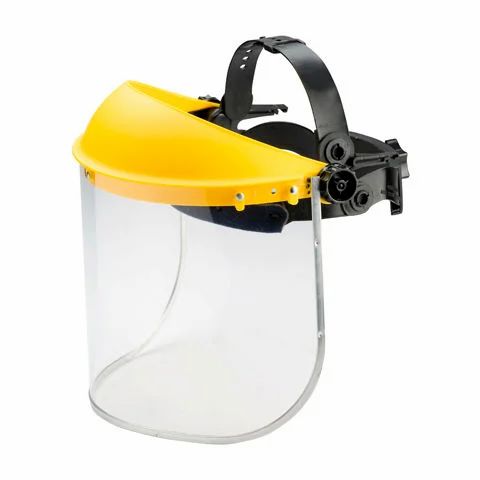
Similar attributes to two-layer cloth mask. Should not be used for any work activity other than possibly mobilization to job sites if approved during initial job risk assessment. Where appropriate, face-shields may augment masks to provide additional splash protection.
N95 Masks With Exhalation Vent
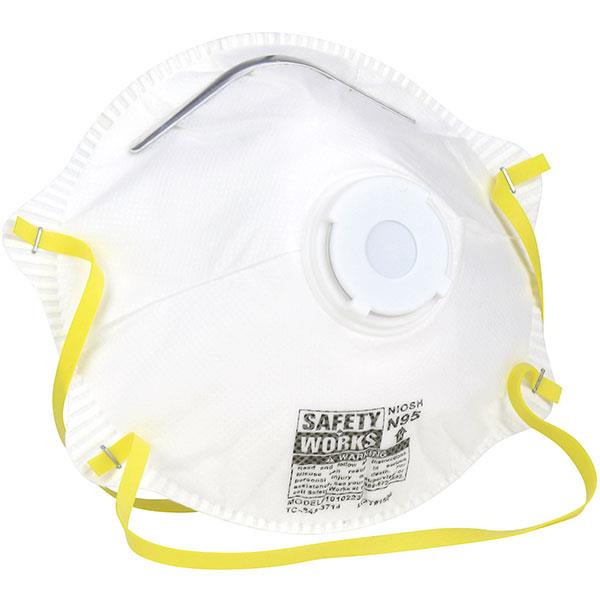
Can limitedly protect you from others, if mask fits properly, but does not protect others from user. No specific fit-testing procedure is available for N95 and similar masks. Can be effective for reducing dust or smoke to user. It is also designed to protect from pollution, allergens, and generally particles that are greater than 0.3 µm in diameter. N95 respirator masks, made from a fine mesh of synthetic polymer fibers, or to be more specific, from nonwoven polypropylene fabric, have more or less 95% protection efficiency against all of the aforementioned airborne particles (Wikipedia). These masks are not effective for protection from gaseous or vapor types of airborne hazards. Where appropriate, face-shields may augment masks to provide additional splash protection.
N95 Masks Without Vent
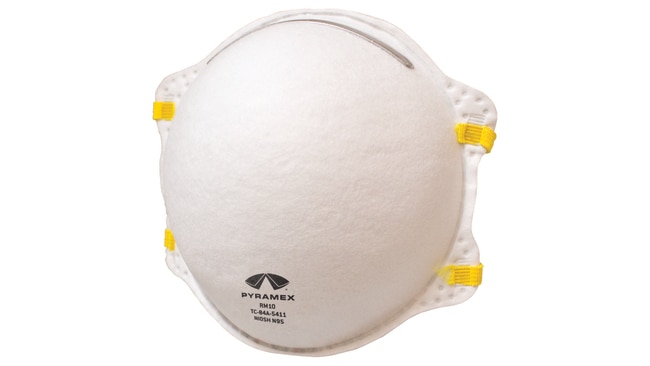
Similar to the above listed mask can limitedly protect you from others and others from you, if mask fits properly. Can be effective for reducing dust or smoke to user. Not effective for protection from gaseous or vapor types of airborne hazards. Where appropriate, face-shields may augment masks to provide additional splash protection.
Semi-Disposable Half-Mask Respirators
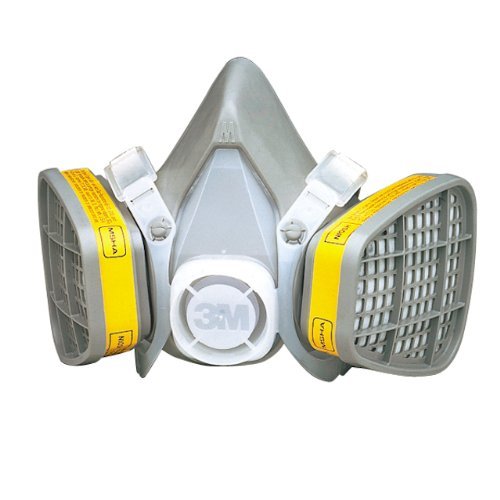
Offer protection from particles, vapors and gaseous airborne hazards if equipped with the appropriate replaceable filters to be effective. Re-useable and more substantial than N95-like masks, but disposed after 1-month so little maintenance is necessary. Require fit-testing but are not compatible with facial hair.
Re-Useable Half-Mask Respirators
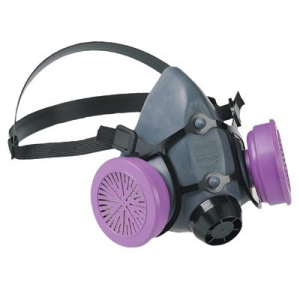
Offer protection from particles, vapors and gaseous airborne hazards if equipped with the appropriate replaceable filters to be effective. Re-useable and require fit-testing and routine cleaning/maintenance. Not compatible with facial hair.
Full Face Mask Respirators
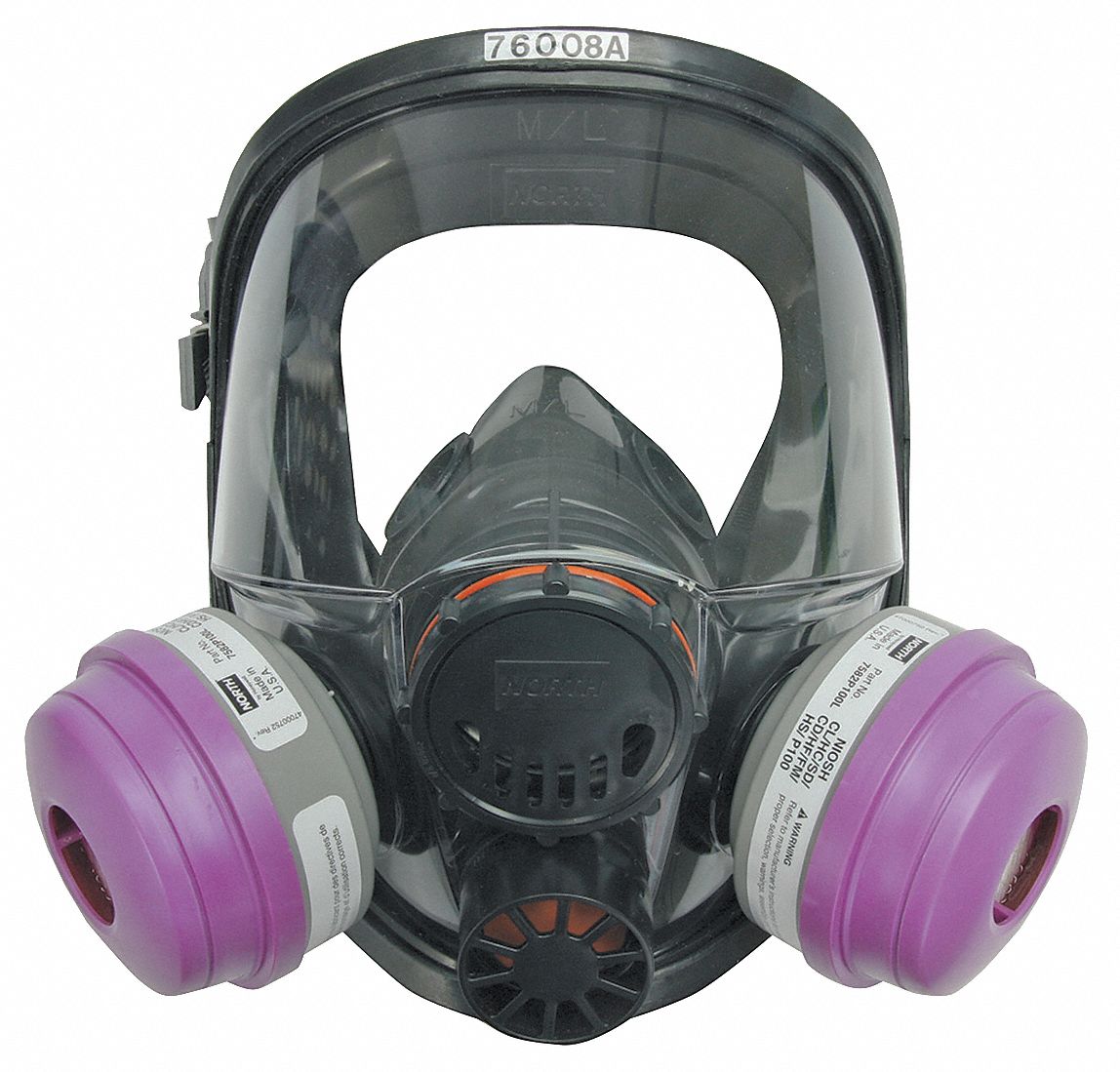
Offer protection from particles, vapors and gaseous airborne hazards if equipped with the appropriate replaceable filters to be effective. Facepiece covers face and eyes, which offers protection to eyes. Re-useable and require fit-testing and routine cleaning/maintenance. Not compatible with facial hair.
Powered Air-Purifying Respirators

Utilize a battery-powered blower to pull air through attached filters. Offers protection from particles, vapors and gaseous airborne hazards if equipped with the appropriate replaceable filters. Respirator is loose fitting and therefore don’t require fit-testing and can be used with facial hair.
Supplied-Air Respirators

These respirators are connected to a separate air source using a hose to deliver clean compressed air. These respirators are light-weight but suffer the constraints imposed by the required air supply hose. These respirators should only be used to enter non-IDLH (immediately dangerous to life and health) work areas.
Self-Contained Breathing Apparatus (SCBA)

These respirators are equipped with an air tank and are suitable for use in entering IDLH work environments, if all the appropriate risk assessments have been completed and the safety considerations have been defined and met prior to entry.
JSABuilder makes it easy to select the right PPE for every task in your Job Safety Analysis.
Get started free →Professional Consultation
Prior to using any mask or respirator, be sure to check with an appropriate industrial hygiene professional regarding your selection and fitting of the selected equipment. This article is not intended to be treated by readers as being an authoritative information source.
Information source: https://en.wikipedia.org/wiki/N95_mask
Related Templates & Analysis
Industry Templates
OSHA Compliance
Guides & Templates