Safe & Sound Week: Safe Workplaces Are Sound Businesses
Last updated:
What Is Safe + Sound Week?
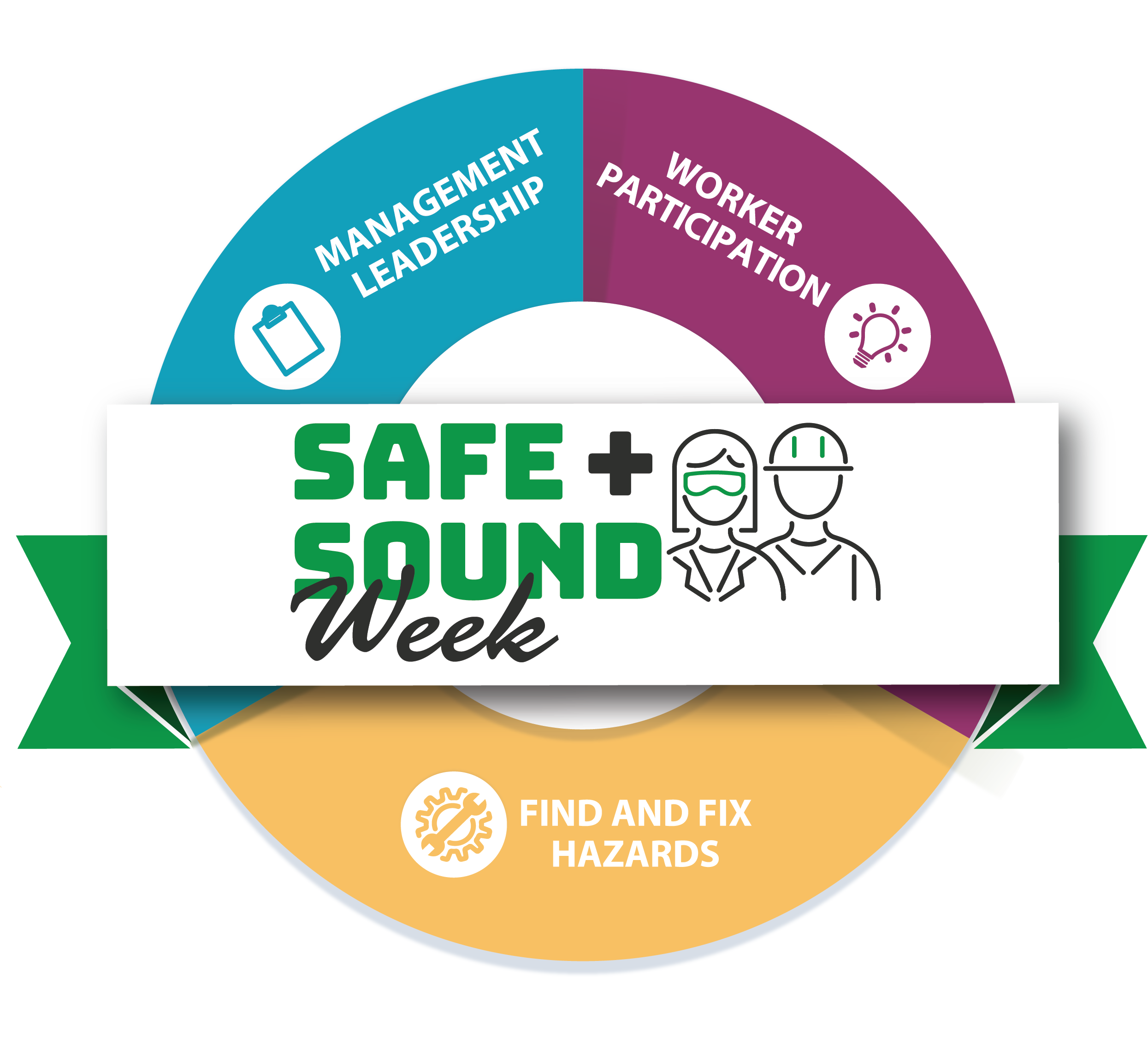
The Occupational Safety and Health (OSHA) Safe + Sound Week is a nationwide event held each August that recognizes the successes of workplace health and safety programs and offers information and ideas on how to keep America's workers safe. Safe + Sound Week is the high point of OSHA’s yearlong safety and health campaign and begins August 12 this year. Implementing a safety and health program can improve businesses' safety and health performance, save money, and improve culture.
OSHA’s Safe + Sound campaign promotes the need for safety programs at small- and mid-sized businesses, which are more likely to have limited resources dedicated to safety. Effective safety and health programs can help organizations identify and manage workplace risk before they cause injury or illness. Safety and health management systems are critical to ensure that company’s achieve significant results and lower risk exposure.
How to Participate
Organizations of any size or in any industry are encouraged to participate in Safe + Sound Week! Participating in Safe + Sound Week can help get your program started, energize an existing one, or provide a chance to recognize your safety successes. This is a great opportunity for companies to show their commitment to safety to workers, customers, the public and business partners.
Here are several suggestions to get you thinking about what would be most appropriate for your company:
- Deliver a safety and health message from the management leadership to the staff
- Management leadership can establish a visible presence to promote safety & health
- Empower workers with safety & health information
- Have employees provide feedback on what safety meeting topics or toolbox talks should be added to your safety program
- Recognize workers or teams for contributions to workplace safety
- Evaluate safety & health processes and systems to find and fix hazards
Why Safety Programs Matter
According to the U.S. Bureau of Labor Statistics, the rate of worker deaths and reported injuries in the United States has decreased by more than 60 percent in the past four decades since the Occupational Safety and Health (OSH) Act was passed. However, every year, more than 5,000 workers are killed on the job (a rate of 14 per day), and more than 3.6 million suffer a serious job-related injury or illness.
5,000+
Workers Killed Per Year
14
Deaths Per Day
3.6M
Serious Injuries/Illnesses
Serious job-related injuries or illnesses don't just hurt workers and their families but can hurt business in a variety of ways. Implementing a safety and health program, however, can improve small- and medium-sized businesses' safety and health performance, save money, and improve competitiveness.
Benefits of Safety and Health Programs
OSHA states Safety and health programs help businesses:
- Prevent workplace injuries and illnesses
- Improve compliance with laws and regulations
- Reduce costs, including significant reductions in workers' compensation premiums
- Engage workers
- Enhance social responsibility goals
- Increase productivity and enhance overall business operations
The National Safety Council (NSC) encourages organizations of any size or industry to participate and showcase their commitment to safety. If your organization does not yet have a safety meeting program in place, Safe + Sound Week would be a great time to let your employees understand the organization’s commitment to safety by starting a regular safety meeting or toolbox talk schedule. All organizations looking for an opportunity to recognize their commitment to safety are welcome to participate. Last year, more than 3,400 businesses helped to raise awareness about workers' health and safety!
JSABuilder is the easiest way to create, document, and manage your Job Safety Analysis (JSA), Job Hazard Analysis (JHA), and Activity Hazard Analysis (AHA).
Get started free →Getting Started
Safe + Sound Week is a great opportunity to jump start your company’s safety successes. Whether your organization is just beginning to build a safety program or looking to strengthen an existing one, the key is to take that first step. Start by identifying hazards, engaging your workers in safety conversations, and committing to continuous improvement.
Related Templates & Analysis
Guides & Templates